Disclaimer: This page is an independent educational resource and is not affiliated with or operated by any official organization or service.
The flynn portal represents a structural example of how enterprise Business Portal environments classify information, manage Workflow Management processes, and present data through structured Digital Workspace interfaces. In Corporate Systems, such a portal typically acts as a centralized organizational layer that categorizes applications, dashboards, and data streams according to operational domains. The flynn portal demonstrates how information architecture supports structured access rather than isolated system interaction.
Information Classification in Flynn Portal
Within the flynn portal, information is commonly organized through multi-level categorization models. These models frequently include:
- Functional groupings (operations, administration, analytics)
- Role-based segmentation
- Task-based navigation clusters
- Context-driven dashboard sections
Such classification ensures that Workflow Management processes align with the logical structure of the Digital Workspace.
Flynn Portal and Structured Navigation Systems
The flynn portal integrates navigation logic designed for clarity across Corporate Systems. This includes:
- Tile-based application layouts
- Hierarchical menu structures
- Context-aware dashboard panels
- Search indexing layers
These components are coordinated through Platform Architecture principles that maintain consistent design patterns across modules.
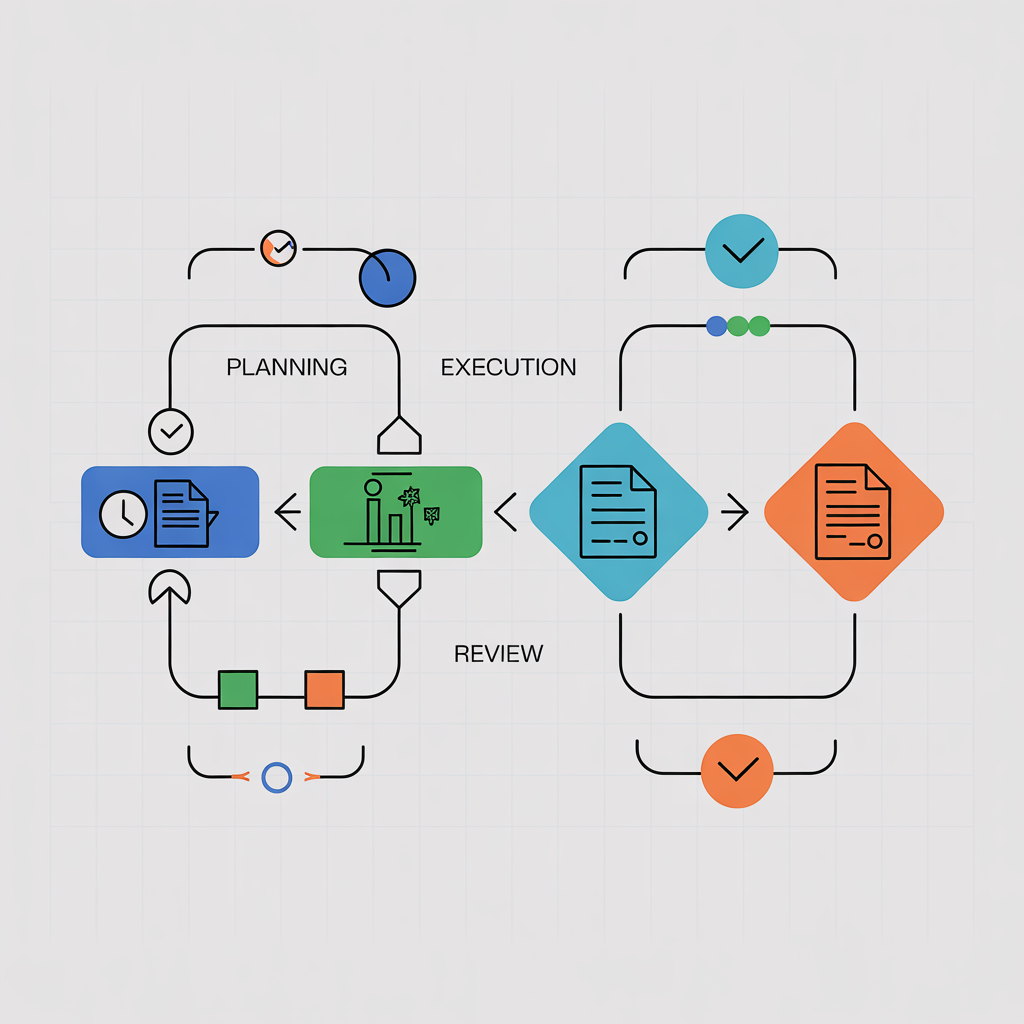
Internal Logic of Workflow Management
Workflow Management within the flynn portal is typically organized through:
- Sequential process modeling
- Approval state visualization
- Task aggregation dashboards
- Event-driven system triggers
This logic ensures that System Integration between applications does not disrupt information coherence.
Alignment With Enterprise Platform Architecture
The flynn portal illustrates how structured Business Portal environments maintain integration consistency. Platform Architecture principles ensure:
- Standardized UI frameworks
- Modular service deployment
- Controlled data exchange interfaces
- Unified dashboard presentation standards
These mechanisms allow Corporate Systems to remain synchronized within a cohesive Digital Workspace.
Conclusion
The flynn portal highlights how enterprise digital platforms classify information, structure workflow visibility, and maintain integration consistency across Corporate Systems. Through coordinated Platform Architecture and structured Workflow Management, such portals serve as informational frameworks within unified enterprise environments.